Visit Us

Village Odhan,Distt. Sirsa-125077 Haryana - India

Mail Us

mhdcoe@gmail.com

Call Us

+91 85700 05330​

IQAC

Internal Quality Assurance Cell- IQAC

Internal Quality Assurance Cell (IQAC) has been established as a post-accreditation quality sustenance measure for performance evaluation, assessment and accreditation and quality up-gradation of institutions of higher education. According to the National Assessment and Accreditation Council (NAAC) every accredited institution of higher education should establish Internal Quality Assurance Cell (IQAC) as a post accreditation quality sustenance measure. The primary responsibility of IQAC is to ensure quality enhancement and sustenance. It ensures the efficiency and effectiveness of measures taken/methods used to provide high quality education and evaluate the degree to which each task is fulfilled. Since quality enhancement is a continuous process, the IQAC will become a part of the institution’s system and work towards realization of the goals of quality enhancement and sustenance.

OBJECTIVE

The Prime objective of the IQAC is to develop a system for conscious, consistent and catalytic action to improve the academic and administrative performance of the institution.

STRATEGIES:- IQAC SHALL EVOLVE MECHANISMS AND PROCEDURES FOR:

1.Ensuring timely, efficient and progressive performance of academic, administrative and financial tasks.

  1. The relevance and quality of academic and research programs.
  2. Equitable access to and affordability of academic programmes for various sections of society.

4.Optimization and integration of modern methods of teaching and learning.

5.The credibility of evaluation procedures.

  1. Ensuring the adequacy, maintenance and functioning of the support structure and services.
  2. Research sharing and networking with other institutions in India and abroad.

 *FUNCTIONS:- SOME OF THE FUNCTIONS EXPECTED OF THE IQAC ARE:*

  • Development and application of quality benchmarks/parameters for the various academic and administrative activities of the institution.
  • Dissemination of information on the various quality parameters of higher education.
  • Organization of workshops, seminars on quality related themes and promotion of quality circles.
  • Documentation of the various programmes / activities leading to quality improvement.
  • Acting as a nodal agency of the institution for quality-related activities.
  • Preparation of the Annual Quality Assurance Report (AQAR) to be submitted to NAAC based on the quality parameters.

 *BENEFITS:-IQAC WILL FACILITATE / CONTRIBUTE:*

  • To a heightened level of clarity and focus in institutional functioning towards quality enhancement and facilitate internalization of the quality culture NAAC for Quality and Excellence in Higher Education.
  • To the enhancement and integration among the various activities of the institution and institutionalize many good practices.
  • To provide a sound basis for decision making to improve institutional functioning.
  • To act as a change agent in the institution.
  • To better internal Communication

Composition Of The IQAC:

The IQAC should be constituted in every institution under the chairpersonship of the Head of the Institution with heads of key academic and administrative units and a few teachers and a few distinguished educationists and representatives of the local management and stakeholders as members.

The composition of the IQAC should be as follows:

  • Chairperson: Head of the Institution
  • Teachers to represent all levels (Assistant Professor and Associate Professor) (Three to eight)
  • One member from the Management
  • The senior administrative officer (Office Superintendent/Manager)
  • One nominee each from the Local Society/Trust, Students and Alumni
  • One nominee each from the Employer/Industrialists/Stakeholders
  • One of the senior teachers as the Coordinator of the IQAC

The IQAC of Mata Harki Devi College of Education for Women presently consists of the following members:

(Source: UGC and NAAC Documents)
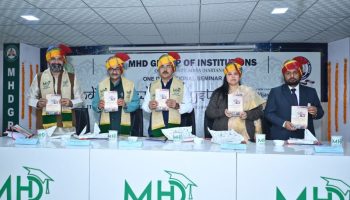
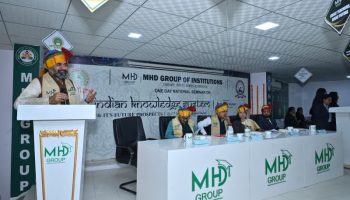
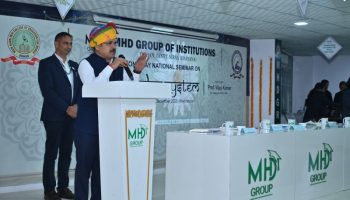
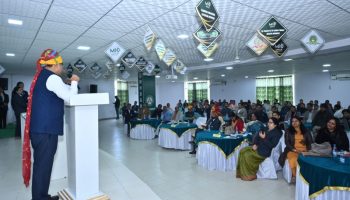
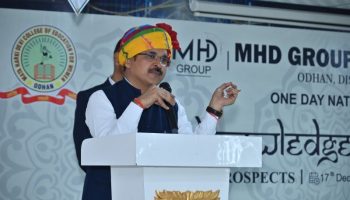
One Day National Seminar on Indian Knowledge System and It's Future Prospects 17 December,2025

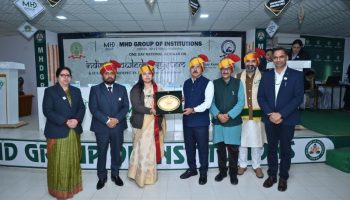
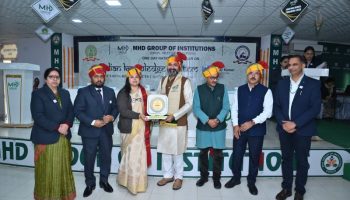
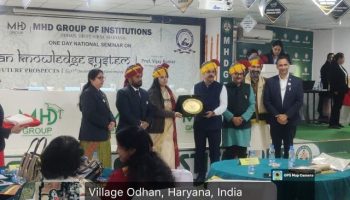
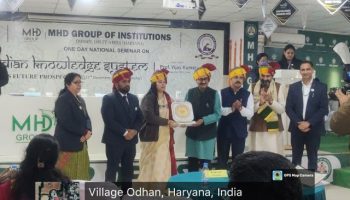
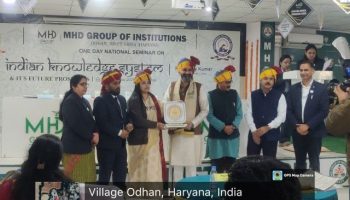
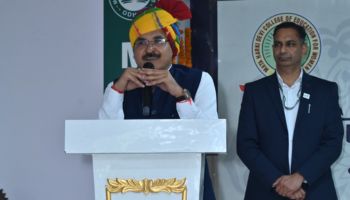
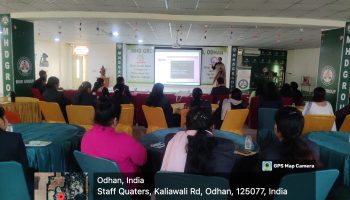
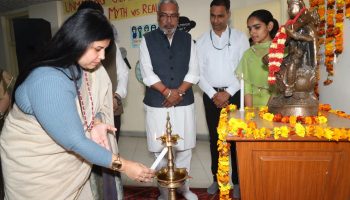
Mata Harki Devi College of Education for Women, Odhan & Mata Harki Devi College for Women organised a One Day National Seminar on Indian Knowledge System & It's Future Prospects under the aegis of IQAC with the objective of creating academic awareness about the relevance, richness, and future potential of the Indian Knowledge System (IKS) in contemporary education and research. This event was graced by the Prof. Vijay Kumar ( Chief Guest) , Honorable Vice-Chancellor of Chaudhary Devi Lal University, Sirsa, Prof. Bhag Chand,( Keynote Speaker ) HOD, Department of Physics, Central University of Himachal Pradesh, Kangara, HP, Prof. Pankaj Sharma ( Keynote Speaker) Dean, Faculty of Humanities & Chairperson, Department of English, CDLU Sirsa. All the dignitaries and guests were formally welcomed by Dr. Kuldeep Kaur Anand, Managing Director, MHD Group of Institutions . A significant highlight of the event was the book launch by honorable Vice Chancellor, which added Scholarly value to the event. Apart from this the technical sessions were chaired by Prof. Raj Kumar, Director, IQAC,CDLU,sirsa, Dr. Amritpal Kaur, Chairperson, IETEV, Panjab University, Chandigarh, Dr. JD Singh, Associate Professor, Gramothan Vidyapith College of Education, Sangria ,Rajasthan and Dr. Surinder Singh Thakur, Principal, Guru Nanak College, killianwali, Shri Muktsar sahib Punjab. Overall, this national seminar proved to be a highly enriching and academically enriching event fostering awareness and Scholarly dialogue on Indian Knowledge system and it's future relevance un global academia.

Book Launch Ceremony 2025

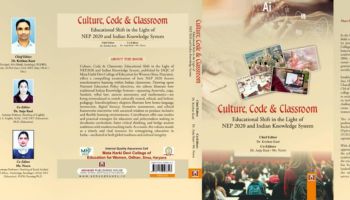
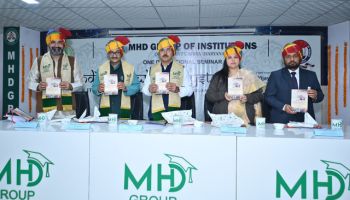
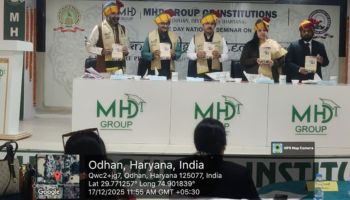
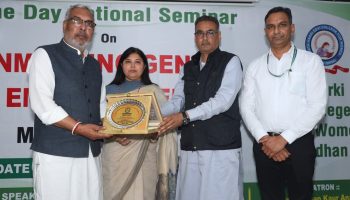
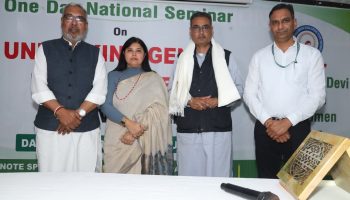
“ Culture, Code and Classroom: Educational Shift in the Light of NEP 2020 and Indian Knowledge System” Under the aegis of Internal Quality Assurance Cell,Mata Harki Devi College of Education for Women successfully unveiled the edited book titled “Culture, Code and Classroom: Educational Shift in the Light of NEP 2020 and Indian Knowledge System.” The book was formally released by the Hon’ble Vice-Chancellor of Chaudhary Devi Lal University, Professor Dr. Vijay Kumar Ji. The presence of such a distinguished academician added immense pride, honor, and prestige to the occasion. The primary objective behind the publication of this book was to develop a deeper understanding of the cultural and educational transformations taking place under the New Education Policy (NEP) 2020. The book also highlights the significance of the Indian Knowledge System and emphasizes its meaningful integration into classroom practices, showcasing the positive impact such inclusion can have on teaching and learning processes. This edited volume serves as a rich academic contribution, bringing together diverse educational and practical perspectives. Teachers, research scholars, and academicians from schools, colleges, and universities across various states of India have shared their insights and research findings through this publication. It is a matter of great pleasure that a total of 30 research papers have been published in this book. Contributors include educators, scholars, and researchers from several states such as Haryana, Punjab, Chandigarh, West Bengal, Rajasthan, Karnataka, and other regions of the country. Their collective efforts have made this publication a comprehensive and valuable resource in the context of NEP 2020 and the Indian Knowledge System. The successful publication and release of this book stand as a testament to the institution’s commitment to academic excellence, research, and quality enhancement in teacher education.

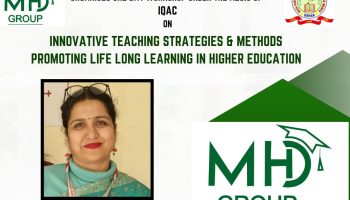
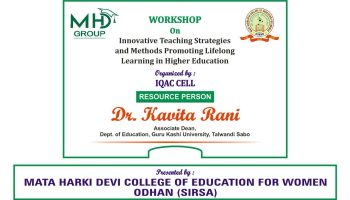
Workshop on Innovative Teaching Strategies & Methods Promoting Life Long Learning in Higher Education

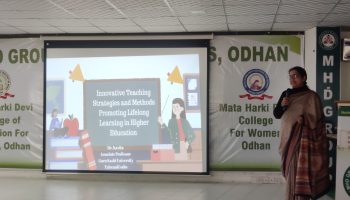
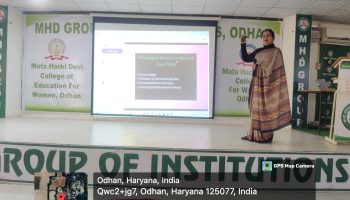
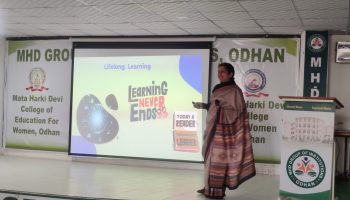
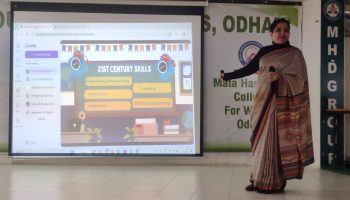
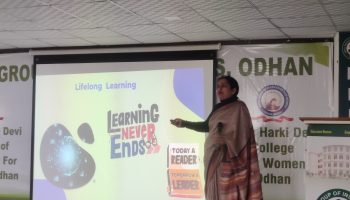
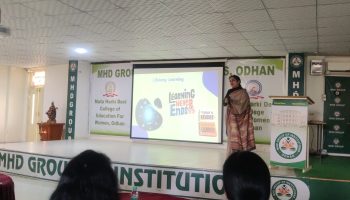
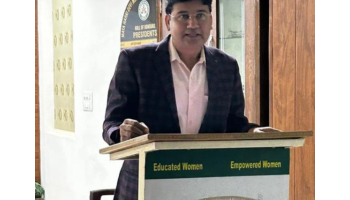
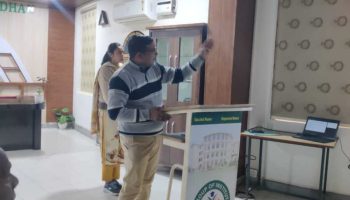
Mata Harki Devi College of Education for Women, Odhan, organized a one-day workshop under the aegis of IQAC on "Innovative Teaching Strategies and Methods: Promoting Lifelong Learning in Higher Education." The workshop aimed to enhance the pedagogical skills of faculty members. Dr. Kavita Batra, Associate Dean, Department of Education, Guru Kashi University, Talwandi Sabo, Punjab, was invited as the esteemed resource person. She emphasized the importance of creativity, critical thinking, and learner-centric approaches in the modern educational landscape. Dr. Batra highlighted practical strategies to make teaching more engaging and effective. She discussed the integration of technology, flipped classrooms, and experiential learning in higher education. Participants actively engaged in interactive sessions and group activities. The workshop provided valuable insights into fostering lifelong learning among students. It concluded with a vote of thanks by Dr. Krishan Kant, Principal, Mata Harki Devi College of Education for Women. Overall, the event was a significant step toward academic excellence and innovation in teaching.

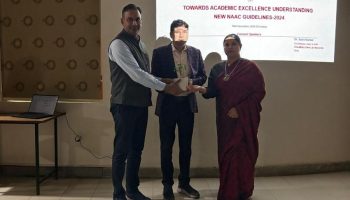
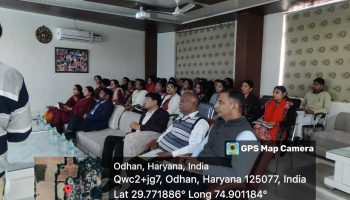
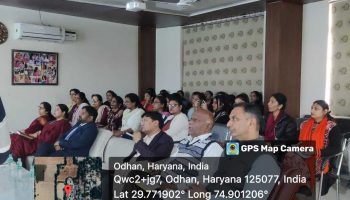
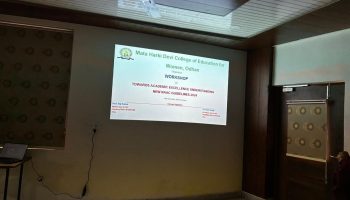
One Day Workshop On NAAC

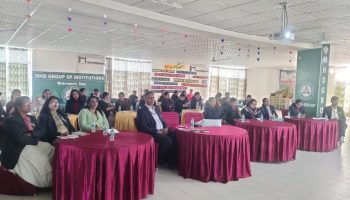
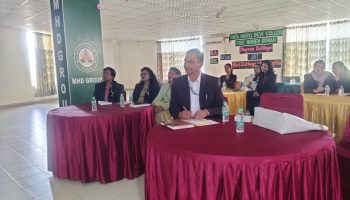
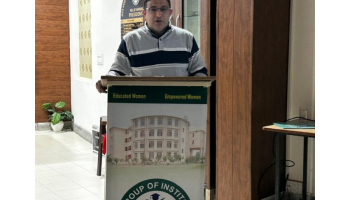
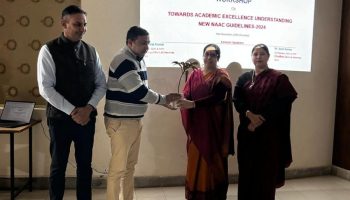
A one-day NAAC workshop titled “Towards Academic Excellence – Understanding New NAAC Guidelines 2024” was organized by Mata Harki Devi College of Education for Women on 10th December 2024. The workshop aimed to familiarize faculty and staff with the updated NAAC accreditation framework introduced in 2024. Eminent speakers for the event were Prof. Raj Kumar, Director, IQAC & NIRF, CDLU Sirsa, and Dr. Sunil Kumar, Coordinator, IQAC & NIRF, CDLU Sirsa. Prof. Raj Kumar provided detailed insights into the revised guidelines, focusing on outcome-based education and the role of internal quality assurance. Dr. Sunil Kumar elaborated on data management, documentation, and the preparation of institutional reports as per the new standards. Both speakers emphasized the significance of continuous improvement and quality enhancement in higher education. Participants actively engaged in discussions and sought clarifications on various aspects of the accreditation process. The workshop was informative, practical, and timely, considering the changes in the NAAC framework. It concluded with a vote of thanks and positive feedback from attendees.
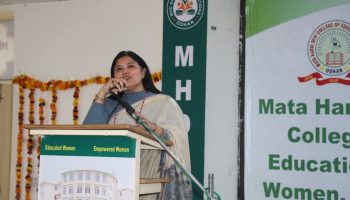
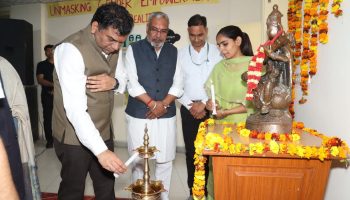
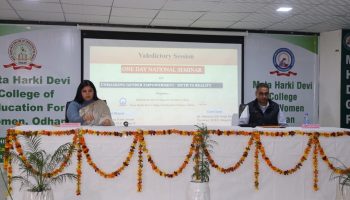
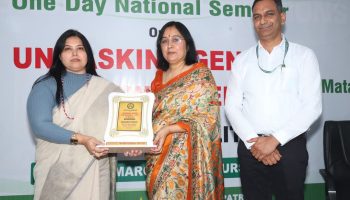
One Day National Semimar ( 21 March, 2024) "Unmasking Gender Empowerment: Myth vs Reality.”

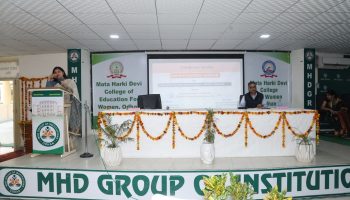
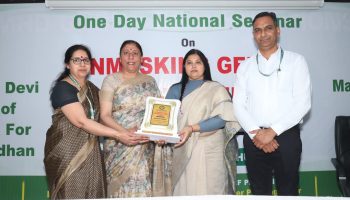
Internal Quality Assurance Cell of Mata Harki Devi College of Education for Women and Mata Harki Devi College for Women organized a National Seminar on the theme “Unmasking Gender Empowerment: Myth vs Reality.” The objective of the seminar was to explore the gap between the perceived progress and actual ground realities of gender empowerment. Prof. Deepti Dharmani, Vice Chancellor, Ch. Bansi Lal University, Bhiwani, was the Chief Guest and shared valuable insights on redefining empowerment. Dr. Rajesh Bansal, Registrar, Ch. Devi Lal University, Sirsa emphasized on policy implementation and awareness. Prof. Nivedita, Dean, Department of Education, Ch. Devi Lal University, Sirsa highlighted education’s transformative role in empowerment. Dr. Ranjeet Kaur, Chairperson, Dept. of Education, Ch. Devi Lal University, Sirsa discussed cultural and social barriers. Sr. Maninder Pal Singh Brar, President of the Mata Harki Devi Memorial Education Society, addressed the need for inclusive platforms. Dr. Kuldeep Kaur Anand, Manging Director, MHD Group of Institutions threw light on the ground reality of equality and women empowerment in the society. Mander Singh Sra, Secretary, MHD Memorial Education Society, also expressed his views on strengthening gender equity. The seminar concluded with an interactive session and a call for collective action.
Book Launch Ceremony

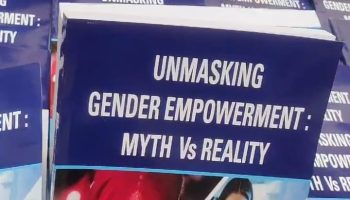
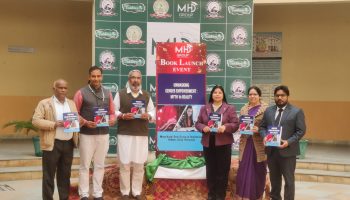
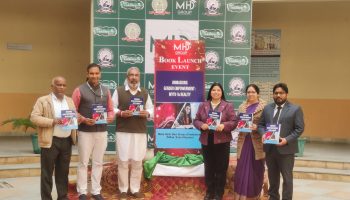
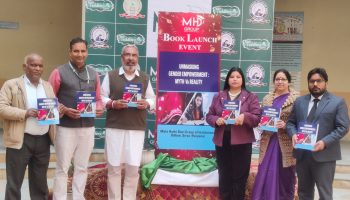
On February 20, 2025 Mata Harki Devi Group of Institutions, Odhan successfully launched a book on the theme Unmasking Gender Empowerment: Myth VS Reality, which aimed to spark dialogue and critical thinking on the difference between the perception and actual reality of gender empowerment in the contemporary society.

This event was graced by Dr. Kuldeep Kaur Anand, Managing Director, MHD Group of Institutions, Odhan Sr. Mander Singh Sra, Secretary, MHD Memorial Education Society, Mr. Shashikant Sharma, Associate Director, MHD Group of Institutions, Dr. Krishan Kant, Principal, MHD College of Education for Women and Dr. Abhilasha Sharma, Principal, Mata Harki Devi College for Women. This book explores the complex realities of gender roles, empowerment narratives and the persistent myths that continue to shape public perception. This book is an effort to bridge the gap between idealism and reality in the context of gender equality.